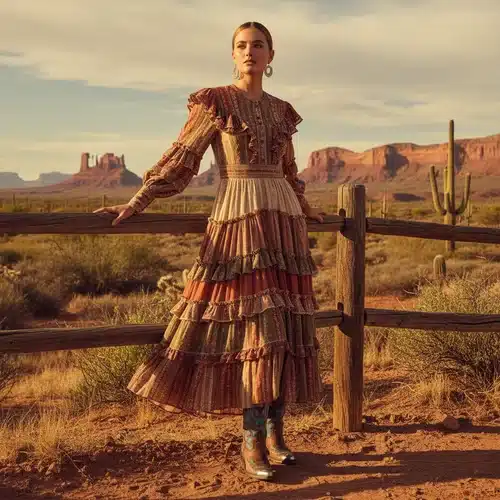
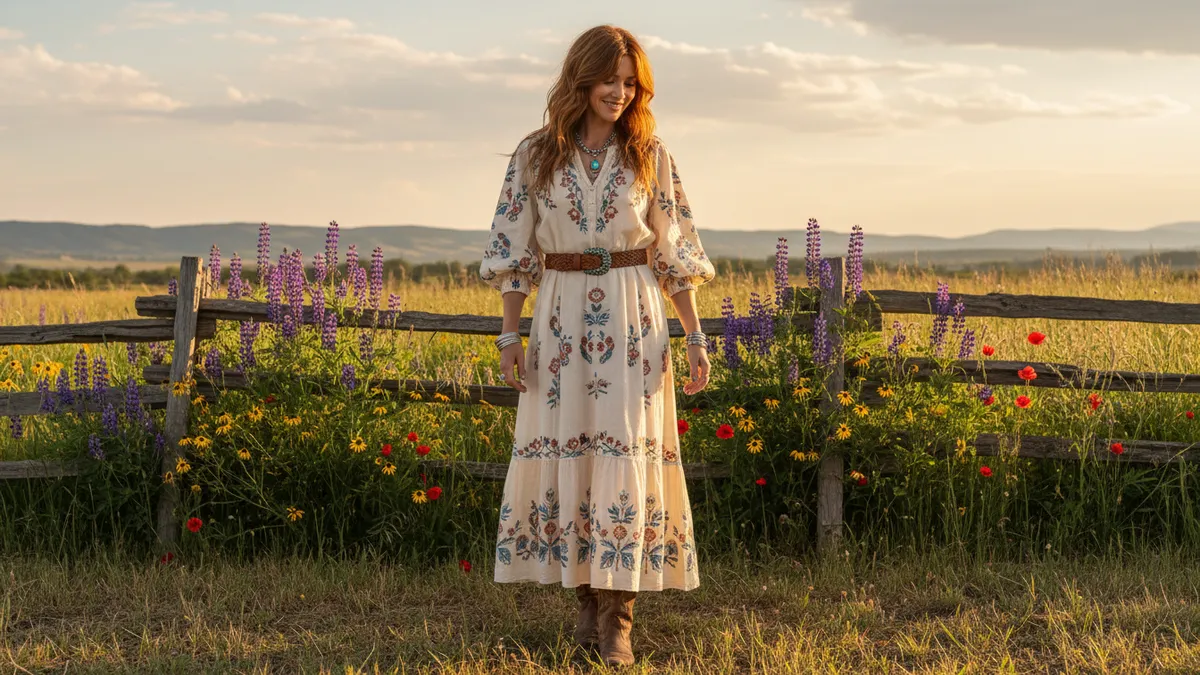
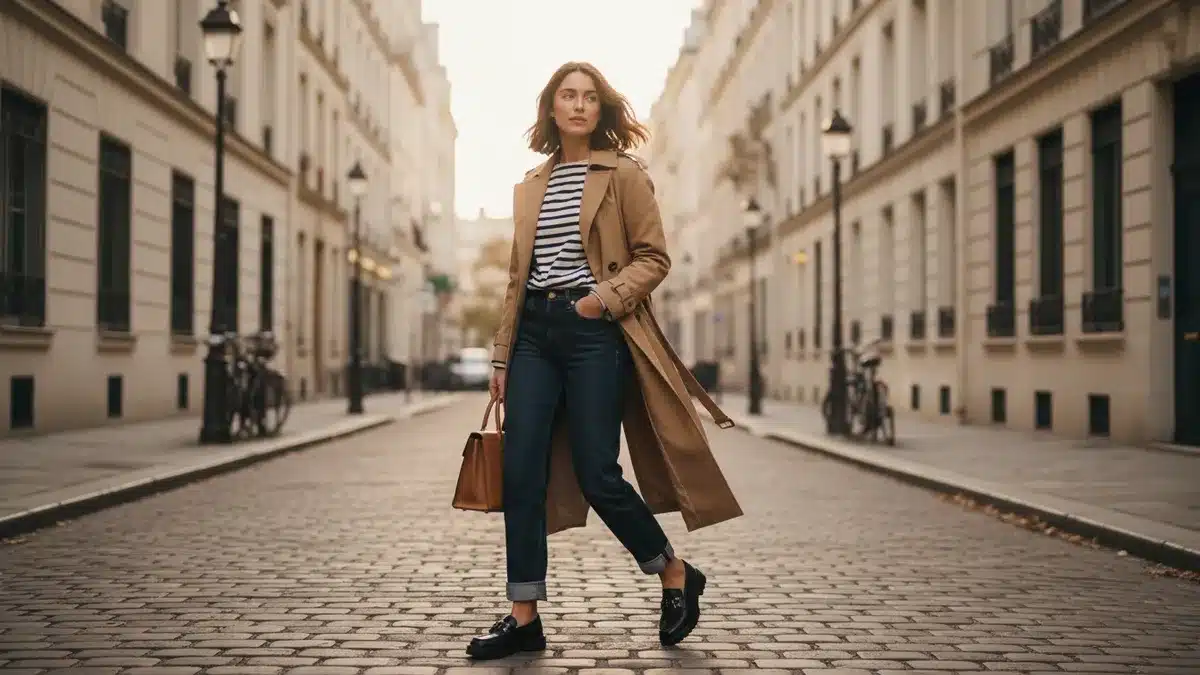
I still remember my first real trail ride — I was eight years old, wearing a pair of my mom’s old Wranglers rolled up at the cuff and boots two sizes too big. My grandmother tightened the cinch on our quarter horse and told me, “It doesn’t matter how pretty you look if you can’t stay in the saddle.” That advice stuck with me for decades, and it’s the foundation of everything I know about horseback riding outfits for women. The right outfit blends safety, comfort, and style in a way that’s completely unique to the equestrian world.
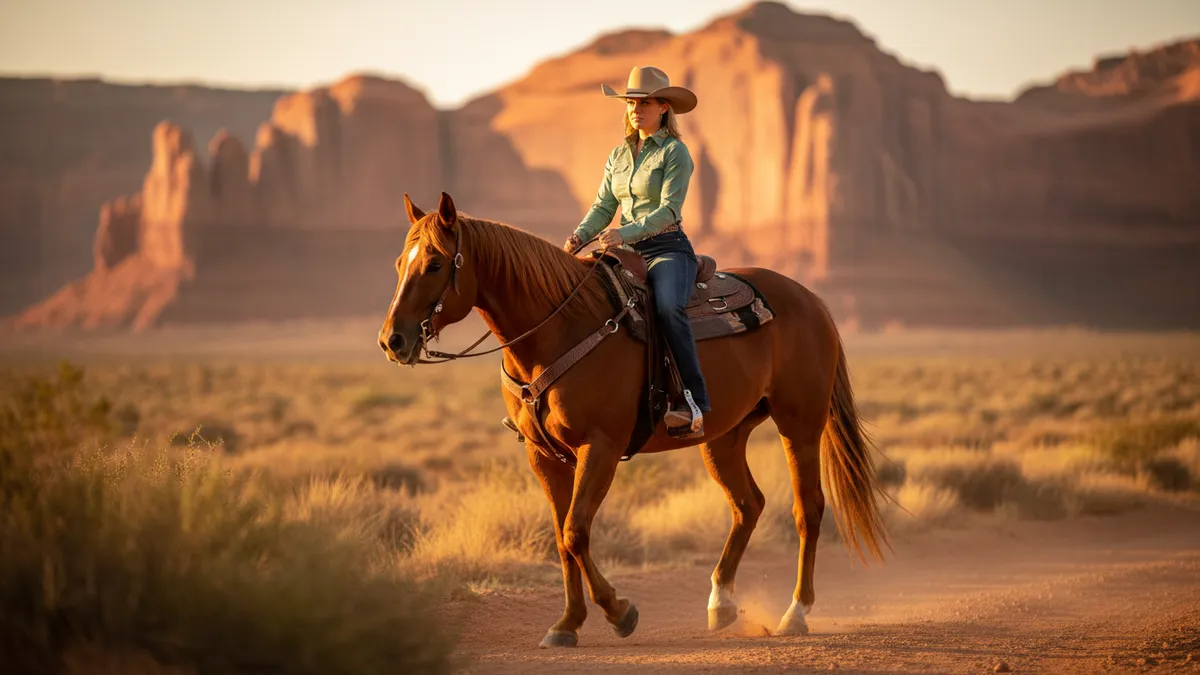
And here’s the thing — this matters more than ever right now. With 72% of U.S. equestrian participants being female and mainstream fashion embracing the “Year of the Horse” trend in 2026, there’s never been a better time to ride in style. Whether you’re a seasoned rider or planning your first dude ranch vacation, I’ve got you covered. We’ll walk through the essentials, outfit ideas for every riding style, seasonal tips, what to avoid, and how to build your riding wardrobe on a budget.
But first — there’s one piece of gear most beginners overlook that could literally save your life. We’ll get to that in a moment.
Why Your Riding Outfit Actually Matters
I’ll be honest: when I started working in boutique retail after college, I thought riding clothes were purely functional. Boring, even. It took years of styling clients for ranch stays and rodeo weekends to realize that equestrian fashion sits at this beautiful intersection of form and function. Every piece you wear in the saddle has a job to do.
Loose fabric can spook a horse. The wrong shoes can trap your foot in a stirrup. A missing helmet can turn a simple fall into a life-changing injury. But here’s the good news — you don’t have to sacrifice style for safety. The 2026 trend toward “Functional Elegance” means technical riding gear now looks like high-end urban wear. Think sleek breeches that pass for designer pants and structured vests that work at brunch and in the barn.
If you’re brand new to western fashion, my cowgirl style guide is a great starting point before diving into riding-specific outfits.
The 5 Horseback Riding Outfit Essentials Every Woman Needs
Before we talk about specific looks, let’s nail down the five non-negotiables. These are the pieces every woman needs before she swings a leg over a horse.
1. Riding Pants or Jeans That Work in the Saddle
Not all jeans are created equal when it comes to riding. You want stretch fabric, flat inseams, and a length that covers the top of your boot when you’re mounted. Thick, raised seams will chafe after twenty minutes in the saddle — trust me, I learned this lesson on a four-hour trail ride in Big Bend and could barely walk the next day.
For western riding, look for bootcut riding jeans from brands like Kimes Ranch or Wrangler. For English disciplines, full-seat breeches with silicone grip give you extra stability. Either way, make sure you can bend your knees comfortably and that nothing pinches at the waist.
2. A Fitted Top or Long-Sleeve Shirt
I always recommend a fitted long-sleeve shirt for riding, even in warm weather. Long sleeves protect your arms from sunburn, branches on the trail, and rope burn. More importantly, loose or billowy tops can catch on the saddle horn or spook a nervous horse.
Snap-front western shirts are my personal favorite — they’re practical, flattering, and give you that authentic cowgirl look without trying too hard. For English riding, a fitted polo or performance jersey works beautifully.
3. Boots: Your Most Important Purchase
This is where I get passionate. Your boots are the single most important piece of your horseback riding outfit. For western riding, cowboy boots with a 1 to 1.5-inch heel and low tread are both stylish and functionally essential. That heel prevents your foot from sliding through the stirrup, which is a serious safety concern.
If your boots are stiff or new, learn how to stretch cowboy boots before hitting the trail. Blisters on a three-hour ride are no joke. And once you’ve invested in a quality pair, knowing how to store cowboy boots properly will keep them lasting for years.
For English riding, paddock boots paired with half chaps give you the support and grip you need at a fraction of the cost of tall boots.
4. A Certified Helmet (Non-Negotiable)
Here’s that life-saving piece I mentioned earlier. According to Ohio State University equestrian injury statistics, equestrian sports are the leading cause of sports-related traumatic brain injury in adults in the United States. Between 10 and 30% of all horse-related injuries involve the head.
“Sports Medicine providers should strongly encourage riders to wear appropriate attire and use well-fitting protective equipment including a helmet as well as a safety vest where appropriate.”
Always choose an ASTM safety certification standards-approved helmet. In 2026, MIPS helmets (Multi-directional Impact Protection System) are the gold standard — they absorb rotational forces during falls. I know cowboy hats look amazing, but a certified helmet is the one area where safety wins over style, every single time.
5. Layers for Weather Changes
Trail weather is unpredictable. I’ve started rides in sunshine and finished them in sideways rain more times than I can count. Pack a wind-resistant vest or a lightweight, packable rain jacket. The key word here is fitted — flapping fabric can startle horses and get tangled in tack. A quilted vest in a neutral tone is my go-to because it adds warmth without bulk.
Horseback Riding Outfit Ideas by Riding Style
Now for the fun part — putting it all together. Your ideal riding outfit depends on what kind of riding you’re doing, so let me break it down.
Western Trail Riding: The Classic Cowgirl Look
This is my home turf, y’all. For western trail riding, I love pairing bootcut jeans with a long-sleeve snap shirt in earth tones — sage, tan, dusty rose, or brown. These colors photograph beautifully on the trail, too. Add your cowboy boots, a western riding helmet (or a wide-brim hat for casual rides), and you’ve got a look that’s equal parts practical and gorgeous.
Don’t forget the finishing touches. Check out my favorite cowboy hat outfit ideas for inspiration on topping off a western trail look.
English Riding Lessons: Polished and Practical
English riding has a more structured dress code, but it doesn’t have to be stuffy. Start with jodhpurs or full-seat breeches, a fitted polo or jersey top, paddock boots, and half chaps. A velvet-covered helmet completes the classic look. Stick with neutral colors — navy, white, black, and tan — for a polished appearance that works in any lesson barn.
Dude Ranch or Ranch Stay: Resort Meets Rodeo
Planning a ranch vacation? This is where equestrian fashion gets really fun. You want to mix western charm with practicality — think embroidered tops, denim jackets, turquoise jewelry, and tan breeches. My full guide to dude ranch outfit ideas covers everything from arrival day to sunset trail rides.
If you’re building a packing list for a bigger western trip, my western vacation outfits guide and western accessories for women roundup will help you nail every look. The right belt buckle or pair of turquoise earrings can elevate a simple riding outfit into something special.
Casual Barn Day: Laid-Back and Still Chic
Some of my happiest days are spent at the barn with no agenda — just grooming, feeding, and maybe a short ride. For barn days, I reach for equestrian leggings or riding tights, a casual fitted tee, paddock boots, and a cozy hoodie or fleece. Comfort is king, but you can still look pulled together.
If you love the leggings-and-boots combo, you’ll want to read my tips on wearing cowboy boots with leggings — it’s one of my most popular looks for a reason. And for after-ride plans, swap into one of these comfortable western dresses to go from barn to dinner without missing a beat.
Seasonal Riding Outfit Tips
What you wear in July looks nothing like what you wear in December. Here’s how I adjust my horseback riding clothes by season.
Summer Horseback Riding Outfits
Heat and horses are a combination that demands smart fabric choices. Choose moisture-wicking, UPF-rated long sleeves over tank tops — you’ll stay cooler and avoid sunburn. Lightweight breeches or riding tights in breathable fabrics are a must. Add a mesh helmet liner to keep your head cool, and invest in a supportive sports bra. Trust me on that last one — trail riding at a trot will remind you quickly why support matters.
Fall and Winter Riding Looks
Layering is everything in cold weather riding. Start with a thermal base layer under your breeches or fleece-lined riding tights. Add an insulated vest and a wind-resistant jacket on top. Waterproof paddock boots keep your feet warm and dry, and ear warmers tucked under your helmet are a game-changer on frosty mornings.
One tip I wish someone had told me years ago: avoid cotton in wet or cold weather. Cotton holds moisture and drops your body temperature fast. Stick with wool blends or synthetics that retain warmth even when damp.
What NOT to Wear Horseback Riding
This section might save you from a painful (or embarrassing) lesson. Here’s what to leave at home:
- Flip-flops, sandals, or sneakers: No heel means your foot can slide through the stirrup, leading to a dangerous drag situation.
- Loose, baggy clothing: Can catch on the saddle horn or hardware. Long scarves are especially risky.
- Open-toe shoes or Ugg-style boots: Zero heel and no toe protection.
- Strong perfume: Horses have sensitive noses — heavy scents can agitate them.
- Dangling jewelry: Necklaces, bracelets, and big hoop earrings can snag on tack in an emergency.
- Brand-new, stiff boots: Break them in at home first or risk painful blisters mid-ride.
- Bike helmets: They’re not rated for equestrian falls. Only use ASTM/SEI-certified riding helmets.
Building Your Riding Wardrobe Without Breaking the Bank
You don’t need to spend a fortune to ride in style. When I was starting out after college, I built my entire riding wardrobe on a boutique buyer’s modest salary. Here’s the starter kit I recommend:
Your Starter Riding Wardrobe
- One pair of riding pants or jeans with flat inseams
- Two fitted long-sleeve shirts
- One ASTM/SEI-certified riding helmet (never buy used)
- One pair of boots with a proper heel
Budget-friendly brands like Ovation Riding, Kerrits, and Riding Sport by Dover offer quality without designer prices. Where should you splurge? Boots and your helmet. Quality leather boots last years with proper care, and your helmet is a safety item — never skimp on protecting your head. And please, never buy a secondhand helmet. You can’t verify whether it’s taken an impact, and a compromised helmet won’t protect you.
Secondhand breeches and show jackets, on the other hand, are often available in excellent condition and can save you serious money. Consignment shops near show barns are goldmines.
If you’re looking to build out a full western wardrobe beyond just riding clothes, my western capsule wardrobe guide walks you through the key pieces that mix and match for any occasion.
Saddle Up in Style
Finding the perfect horseback riding outfits for women is about balancing what looks good with what keeps you safe and comfortable in the saddle. Whether you’re tacking up for a western trail ride, heading to your first English lesson, or packing for a dude ranch getaway, the right outfit makes every ride better.
My grandmother was right all those years ago — staying in the saddle matters most. But after three decades of riding, I’ve learned you absolutely can look beautiful doing it.
Ready to explore more western style? Learn how to style cowboy boots with a dress for your off-saddle looks, or check out line dancing outfits for your next night out after the ride. And if you’re just getting started with the cowgirl aesthetic, my complete cowgirl style guide has everything you need.