Kering appointed Gianfranco D’Attis chief executive officer of Alexander McQueen on Monday, installing the former Prada chief to lead a financial turnaround at the loss-making British luxury house. D’Attis assumes the role effective June 4, 2026, based in London and reporting to Kering group CEO Luca de Meo, the company announced Monday.
D’Attis replaces Gianfilippo Testa, who is departing the Kering group later in 2026. The new CEO’s mandate is to sharpen Alexander McQueen’s brand identity, tighten operational execution, and reverse a sharp revenue decline that has erased roughly 60 percent of the label’s annual sales since 2022. The appointment caps a broader brand reset that Kering announced a major restructuring of the brand in February 2026.
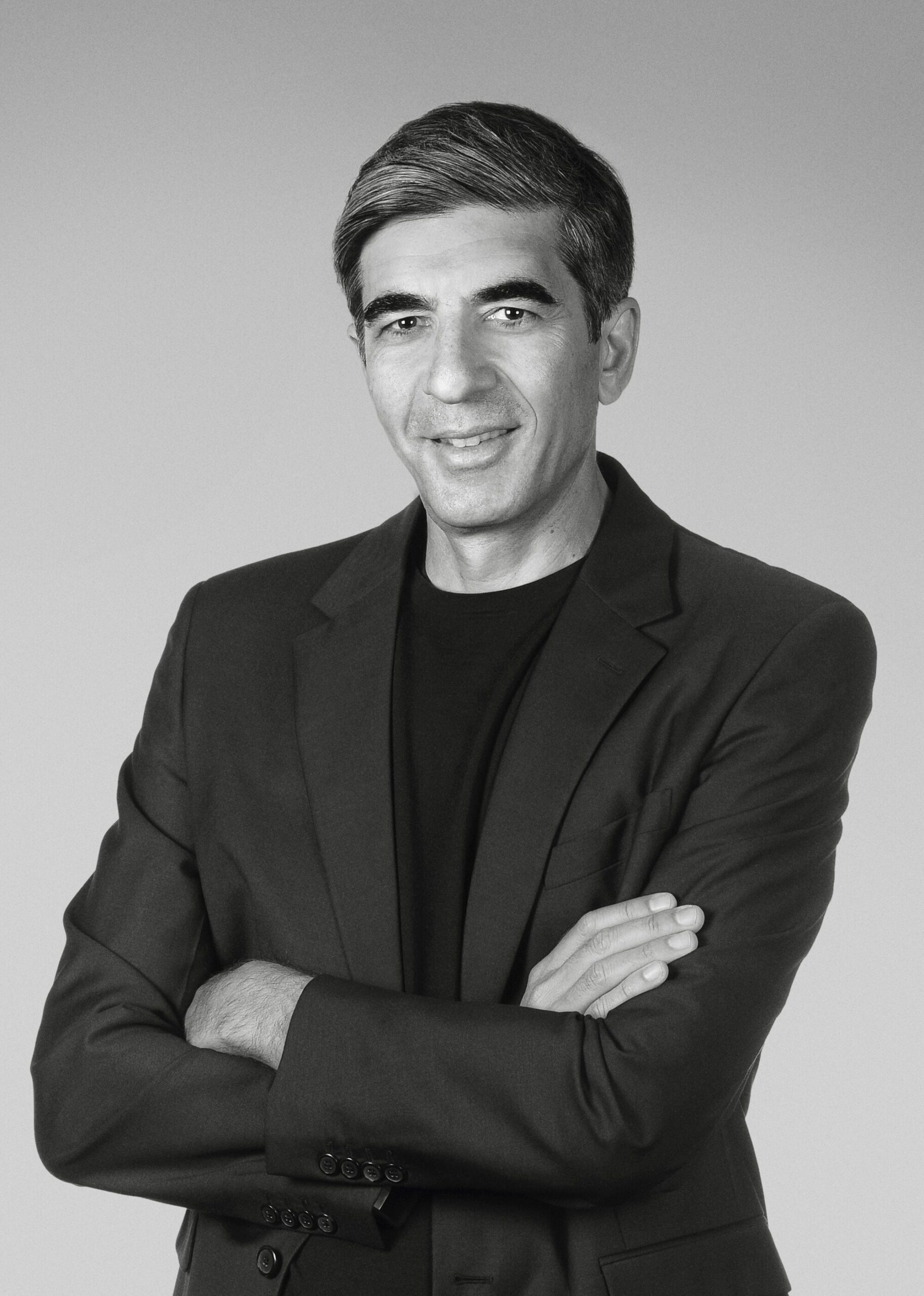
D’Attis Brings 25 Years of Luxury Experience to McQueen
D’Attis joins Alexander McQueen with more than 25 years inside the international luxury sector. He served as chief executive of Prada from January 2022 to June 2025, becoming the first non-family executive to hold the title at the Milan house. His departure was structured as a mutual agreement and followed reported strategic disagreements with ownership.
Before Prada, D’Attis was president of Christian Dior Couture Americas. Prior to that, he served as international managing director of Jaeger-LeCoultre under Richemont, and earlier as international director at Chloé. He holds a bachelor’s degree from the Zurich Graduate School of Business Administration and completed the Senior Executive Program at Columbia Business School.
“Gianfranco brings a powerful combination of strategic vision, operational rigor and deep luxury expertise,” de Meo said in a statement, adding that D’Attis’s “ability to sharpen brand identity while driving disciplined execution will be critical” to the brand’s recovery.
The Scale of Alexander McQueen’s Financial Challenge
Alexander McQueen’s revenue peaked at approximately €820 million in 2022. By 2025, sales had fallen close to €700 million accompanied by significant operating losses, according to figures consistent with Kering’s group reporting. The brand now contributes roughly 5 percent of Kering’s total revenue, a steep retreat from its earlier trajectory.
The underlying problem is structural. Sneaker sales at one point accounted for up to 80 percent of Alexander McQueen’s total turnover, an unusual concentration for a house historically built on womenswear couture and sartorial tailoring. The category boomed during the late-2010s street-luxury wave, then contracted sharply when consumer demand rotated back toward formal codes.
The financial pressure has translated into significant staff reductions. Collective redundancy procedures in Italy affect 54 of 181 workers at the brand’s manufacturing sites in Scandicci, Novara, and Parabiago. Approximately 55 additional positions at the London headquarters are also at risk, representing roughly 20 percent of central office staff.
Kering’s Three-Part Turnaround Strategy
De Meo, who succeeded François-Henri Pinault as Kering group CEO in 2025, has explicitly ruled out a sale of Alexander McQueen. The recovery plan rests on three pillars: a sharp reduction of the global retail footprint, a return to the brand’s sartorial heritage, and creative leadership stability under artistic director Seán McGirr.
The label currently operates 135 stores globally. Kering’s plan calls for closing more than half of that network. On the product side, the strategy pulls the assortment back toward womenswear, eveningwear, and tailoring, categories closer to the founding identity of the late Lee Alexander McQueen.
McGirr, who took over creative direction in late 2023, has already steered recent collections toward a darker, sharper sartorial vocabulary that has reconnected with the label’s cultural footprint. Jenna Ortega wore Alexander McQueen gothic suiting at a recent industry event, an example of the brand re-entering the celebrity conversation. Kering is targeting a return to sustainable profitability within two to three years.
A Busy Season for Luxury Leadership Changes
The Alexander McQueen new CEO 2026 announcement arrives during a dense cycle of executive and creative shuffles across the luxury sector. Lanvin named Barbara Werschine CEO earlier this quarter, and Isabel Marant appointed a new CEO in a parallel restructuring move. On the creative side, Henry Zankov named Diane von Furstenberg’s first artistic director signaled the broader 2026 reshuffle.
Kering itself is mid-portfolio overhaul. The group’s flagship Gucci held Gucci’s Times Square runway show under Demna earlier this year. Rival groups have posted divergent results: Richemont posted €22.4B in revenue for FY2026 and Ralph Lauren’s record $8B revenue in FY2026 underscored how far McQueen has fallen relative to peers operating amid competitive pressures reshaping the luxury fashion industry.
Alternative paths have emerged for other distressed labels. Roberto Cavalli was acquired by Marquee Brands, while Giambattista Valli reclaimed full ownership of his label. Kering’s decision to retain Alexander McQueen and bring in D’Attis frames the next 24 months as a test of whether internal turnaround can outperform the alternatives.