Samantha Barry, the Glamour editor in chief since 2018, announced her departure on April 16, 2026, the same day Condé Nast CEO Roger Lynch confirmed the closure of Self magazine and multiple international editions in a sweeping restructuring of the publishing giant.
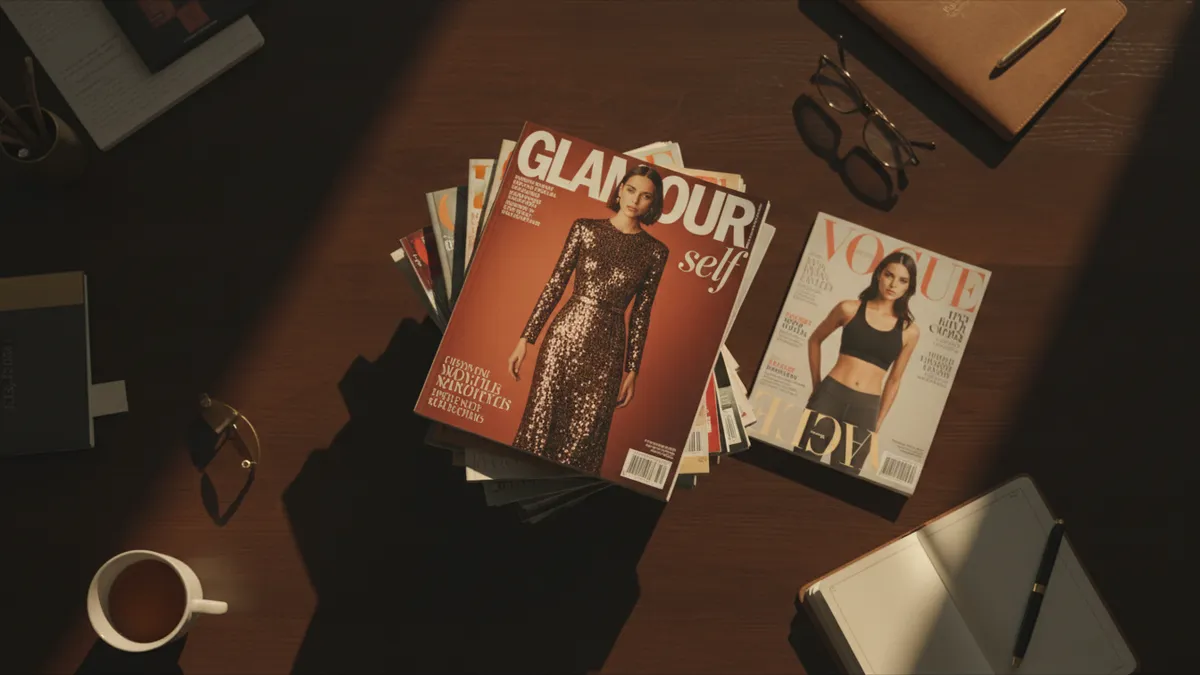
The simultaneous announcements mark one of the most significant shakeups in fashion media this year. They signal a sharp pivot by Condé Nast toward its highest-revenue titles as generative AI and shifting audience habits erode digital publishing economics.
Barry Exits After Eight-Year Tenure
Barry confirmed her exit on Instagram, writing: “After eight phenomenal years at Glamour I’m stepping away.” She added that the decision had been building: “It’s something I’ve been thinking about for a while and with changes to our global operations now is the time.”
The Cork-born journalist joined Glamour from CNN in 2018. She was promoted to Global Editorial Director in October 2024, overseeing the brand’s international editions. Her departure as Samantha Barry Glamour editor in chief in 2026 lands alongside sweeping structural changes announced in a company-wide memo from Lynch the same day.
Condé Nast Shuts Self Magazine After 47 Years
Lynch’s memo confirmed that Self, the health and wellness title founded in 1979, will cease publication. “As audience behaviors shift, we have not seen a path for SELF to continue in its current form as a digital publication,” Lynch wrote, according to Business of Fashion.
Self had been digital-only since 2017, when Condé Nast ended its print run. Its health and wellness content will be absorbed into Allure and Glamour. The closure ends 47 years of publication history and follows The Face magazine’s closure earlier in 2026, continuing a grim pattern for independent titles.
Glamour International Editions and WIRED Italy to Close
The restructuring extends well beyond U.S. titles. Glamour editions in Germany, Mexico, and Spain will all shutter. WIRED Italy is also being discontinued.
Barry had directly overseen those international Glamour editions in her Global Editorial Director role. Condé Nast is now redirecting editorial production to lower-cost hubs in Bangalore and Chennai, India. Lynch stated the changes reflect “strategic alignment to where we see the strongest opportunities ahead.”
The move mirrors cost-cutting across the wider fashion industry, including Alexander McQueen’s 2026 layoffs and LVMH’s worst Q1 on record.
The Business Case: AI, Digital Disruption, and Revenue Concentration
Generative AI sits at the center of these decisions. AI-powered search tools are demolishing organic web traffic to publisher sites, compressing the digital ad revenue that sustained titles like Self for years. Audience migration to social platforms compounds the pressure further.
The numbers tell the story clearly. Seven Condé Nast flagship brands — Vogue, GQ, The New Yorker, Wired, Vanity Fair, Architectural Digest, and Condé Nast Traveler — now account for 85% of company revenue, according to the Financial Times. Everything outside that core is under review. Condé Nast previously cut roughly 5% of its global workforce in an earlier restructuring round.
Vogue remains the company’s crown jewel, recently generating buzz with Vogue’s May 2026 cover featuring Anna Wintour at the helm.
Glamour US Continues — New Leadership Awaited
The U.S. edition of Glamour is unaffected and will continue to operate. No successor to Barry has been named.
Barry’s legacy at the title is substantial. She led Glamour’s transition from print to digital-first. The last U.S. monthly print issue published in January 2019. Under her leadership, Glamour reached record monthly audiences and expanded video content across platforms. The Glamour Women of the Year Awards grew into a signature franchise during her tenure.
The Samantha Barry Glamour editor in chief era shaped the brand’s modern identity. Her successor will inherit a title that, while operationally stable, now sits within a company aggressively consolidating around its top performers.
What this means for the industry: Condé Nast’s restructuring underscores a widening gap between elite fashion media brands and mid-tier titles struggling to survive AI-driven traffic loss. As the luxury fashion market forecast for 2026 shows mixed signals, the publishing side of the business faces its own reckoning. Expect more consolidation before the year ends.